
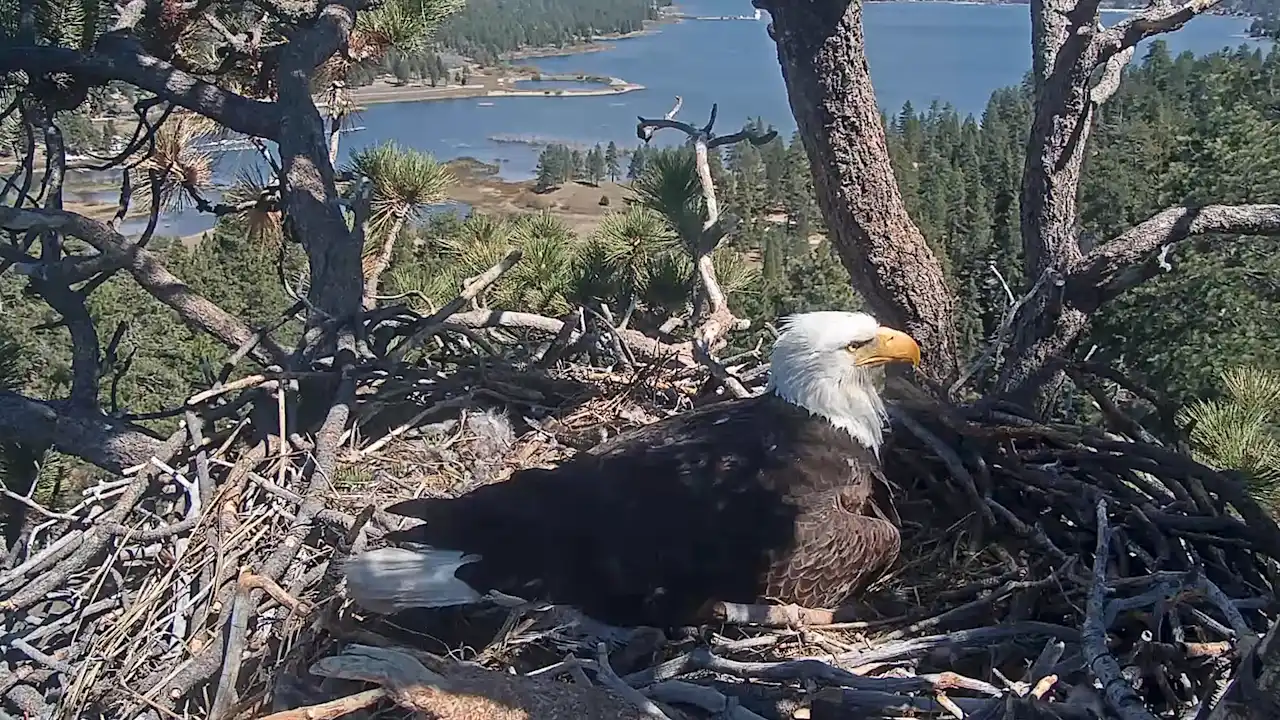


For wildlife enthusiasts and the millions who have tuned in to their live stream, there is wonderful news from the mountains of Southern California. Jackie and Shadow, the world-famous bald eagle pair residing in Big Bear Lake, are once again parents. Two healthy chicks hatched over the weekend, a joyous event celebrated by a global audience connected through a webcam operated by the nonprofit Friends of the Big Bear Valley (FOBBV).
This successful hatch comes after an earlier clutch was lost to predation, highlighting both the vulnerabilities and resilience of these iconic raptors. For those looking to become informed advocates or simply the office expert on bald eagles, here is a detailed, fact-based look at this remarkable natural event and the urgent conservation efforts surrounding it.
A Season of Resilience: From Lost Eggs to New Life
Jackie, the female, laid a total of four eggs this breeding season across two separate clutches, a common strategy in response to nest failure. The first two eggs were laid on January 23 and 26. Tragically, during a parental absence, corvids (likely crows or ravens) predated the nest, breaking the eggs. Demonstrating the species’ remarkable tenacity, Jackie laid a replacement clutch on February 24 and 27.
The Hatching Timeline
The incubation period for bald eagle eggs is typically about 35 days. For the second clutch:
- Pipping began: The first chick started breaking through its shell (a process called “pipping”) on April 3.
- Hatching: The first chick fully emerged on April 4, and its sibling followed on April 5, just one day later.
This 24-hour stagger is standard and helps parents manage the feeding demands of two rapidly growing eaglets.
The First Days: Nature’s Built-In Nourishment
A common misconception is that eaglets require immediate feeding from their parents. In reality, the hatching process is an exhaustive physical feat. Newly hatched chicks are sustained for the first 24-72 hours by the absorption of their remaining yolk sac, a nutrient-rich reservoir connected to their abdomen. This internal “meal” provides crucial proteins, fats, and water, allowing the vulnerable hatchlings time to rest and gain strength before their first feedings of fish or other prey delivered by Jackie and Shadow.
This pair is experienced parents. They have successfully fledged multiple eaglets in previous years—publicly named Sunny, Gizmo, Spirit, and Simba—demonstrating their proficiency as providers and protectors in this specific nest.
The Naming Tradition and How to Participate
As of now, the two chicks are simply referred to by their hatch order. The beloved tradition of giving them public names is a collaborative process. FOBBV typically opens a naming contest with a small donation, gathers public suggestions, and then empowers a local school—often the third-grade class at Big Bear Elementary—to review the list and vote on their favorite names. This community-focused approach fosters local stewardship and connects the global audience to the eagles’ story.
A Critical Threat: The Moon Camp Development
The joy of the new chicks is tempered by an ongoing, urgent conservation battle. For over 25 years, the 12-acre Moon Camp property, located approximately one mile from the eagles’ nest tree, has been the target of a proposed residential development by RCK Properties. The plan includes 50 custom homes and 55 boat docks.
This area is not just open space; it is vital foraging and perch habitat for Jackie and Shadow. Bald eagles hunt primarily by sight from a perch, spotting fish in the lake. The introduction of dense housing, increased human activity, boat traffic, and shoreline alteration would fundamentally degrade this essential hunting ground. Wildlife biologists and FOBBV warn that such a disturbance would almost certainly cause the eagles to abandon their historic nesting site, a loss for the entire ecosystem and the millions who cherish this live natural spectacle.
The Fight to Preserve the Habitat
FOBBV was founded in 2001, in part, to prevent this exact scenario. In partnership with the San Bernardino Mountains Land Trust, they are on a mission to purchase the Moon Camp property permanently, ensuring it remains protected open space. This effort has a firm deadline and a significant price tag.
- Goal: Raise $10 million USD.
- <